Fuel price drop offers little solace as South Africans struggle with rising costs
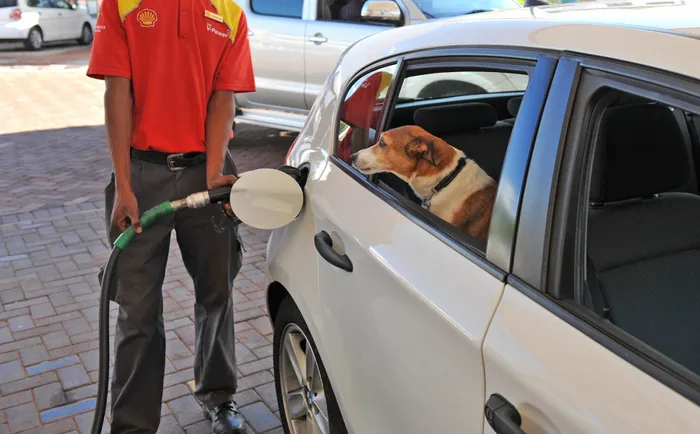
As South Africans celebrate a minor dent in fuel prices, the relentless tide of high living costs and debt presents an overwhelming reality. Unpacking the complexities of financial stress becomes crucial as consumers seek substantive solutions to a crisis that continues to escalate.
Image: Independent Newspapers Archives
The Department of Mineral Resources and Energy (DMRE) announced a petrol price cut that came into effect this past Wednesday, that reduced the cost by 65 cents per litre for both 95 and 93 octane unleaded petrol.
As the nation breathes a sigh of relief, with prices falling to R19.27 at the coast and R20.10 in Gauteng, the broader financial landscape remains grim for many South Africans.
Despite the minor reprieve at the pumps, Neil Roets, CEO of Debt Rescue, told Business Report that most households across the country continue to experience severe financial stress brought on by high debt levels, rising essential costs, and stagnant incomes.
“The scenario is grim for the man on the street right now and has been for far too long,” Roets said, highlighting the relentless nature of the cost of living crisis which shows no signs of abating.
For many consumers, this decrease in fuel prices will not alleviate the pressure they face daily.
Roets pointed to the crippling burden of essentials such as food, utilities, and transport, which now consume an overwhelming share of household budgets.
“There is a need for immediate, tangible relief measures from the impact of inflation on everyday prices of essential goods and services, such as food, electricity, fuel, and water,” he said.
While the decrease in petrol prices offers a glimmer of hope, he noted it is merely a small step in the right direction.
The economic backdrop is equally concerning.
South Africa's government debt has escalated to R5.3 trillion, with debt servicing costs becoming a significant portion of the state's expenditure.
With revenue collection lagging, the country is bracing for a substantial budget deficit in the 2025/26 financial year, raising the pressing need for further borrowing and, subsequently, additional strain on taxpayers.
President Cyril Ramaphosa recently indicated in a newsletter that while there are glimmers of recovery in the economy, evidenced by four consecutive quarters of growth and a slight dip in unemployment, sustaining this recovery hinges upon increased investment.
Roets echoes this sentiment, warning that economic sustainability depends on addressing fundamental issues such as poverty and food insecurity.
Food prices have also surged, with the latest Cost-of-Living Report revealing that the Household Food Basket has risen to R5,401.44 as of January 2026, reflecting an increase of R67.99 since December 2025.
This burden is exacerbated for lower income families, who may now struggle just to afford basic necessities.
Mervyn Abrahams, director of the Pietermaritzburg Economic Justice and Dignity Group, highlighted that consumers may need to underspend on food by nearly 47% after covering basic transport and electricity costs.
In a landscape where essentials are becoming increasingly unaffordable, many households are predicted to rely heavily on credit and store cards, encumbering them further by the end of the month.
Adding to the mix is the threat of the Foot and Mouth Disease outbreak in the country, which will see beef prices soar in the coming months if it is not dealt with swiftly.
According to the Bureau for Food and Agricultural Policy (BFAP), the economic fallout from South Africa’s ongoing Foot-and-Mouth Disease (FMD) outbreaks is deepening, with export losses and production declines threatening the sustainability of the beef and dairy sectors
BFAP said a recently released initial assessment of the economic impact of FMD shows that more than R821 million in export revenue was lost during three major waves of the disease between 2019 and 2025.
The organisation warned that, at the current trajectory, cumulative export losses could rise to as much as R2.6 billion by the end of 2026.
National Red Meat Producers’ Organisation chief executive Dr Frikkie Maré, said, “I think the fact that we got here is the fault of many, but the final plans for how we are going to get out of here should be put in place very quickly. Industry and government are working extremely hard to find solutions to get us out of FMD’s grip, and we can only hope that these solutions are implemented sooner rather than later.”
Roets said, “My advice to those struggling is to seek help from a registered debt counsellor.”
While the DMRE's announcement of lower fuel prices may provide a temporary sense of relief, the broader economic landscape tells a far more challenging story.
Consumers, especially those in lower income brackets, navigate the ongoing struggle of a rising cost of living that overshadows any brief respite available at the fuel pumps.
BUSINESS REPORT